
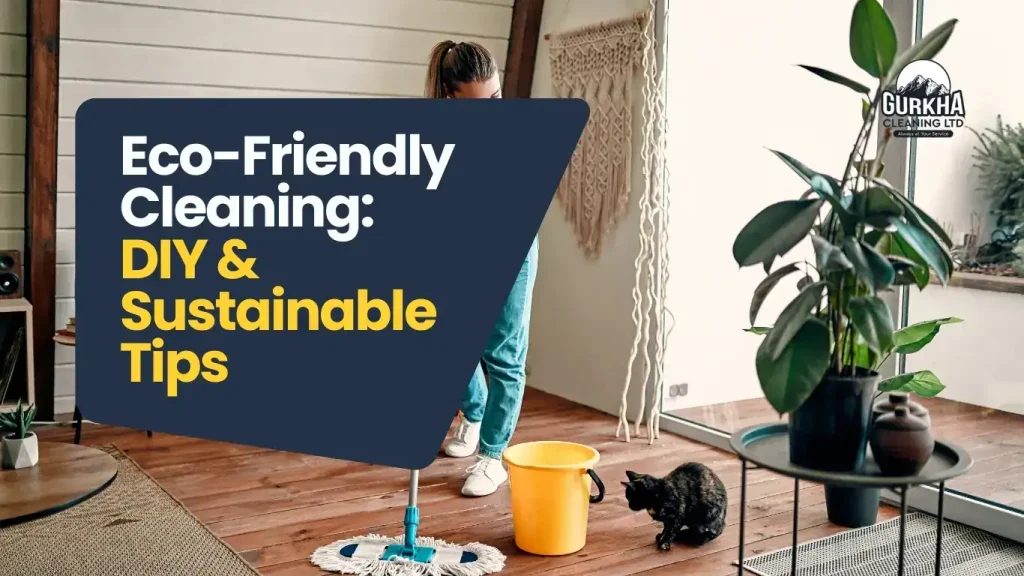
Keeping your home spotless doesn’t mean you have to rely on harsh chemicals. When you embrace eco-friendly cleaning, you’re choosing cleaning practices that are safer for your family and kinder to the planet. This approach matters because the cleaning products we use every day affect not only indoor air quality and household health but also the wider environment: soil, water, and biodiversity. By making green cleaning part of your routine, you take a step toward a healthier home and a healthier Earth.
What is Eco-Friendly Cleaning?
Eco-friendly cleaning refers to the use of non-toxic, biodegradable, plant-based solutions that clean effectively while reducing environmental impact and protecting human health.
In simpler terms, instead of conventional cleaners packed with chemicals, eco-friendly cleaning uses natural alternatives like vinegar, baking soda, and essential oils and implements green cleaning habits like choosing natural cleaning products, reducing waste, and avoiding harmful residues.
Conventional vs Eco-Cleaning
The differences between convention and eco-friendly cleaning are:
Feature | Conventional Cleaning | Eco-Friendly Cleaning |
Chemical composition | Synthetic chemicals, strong detergents | Plant-based, non-toxic, biodegradable |
Indoor air & health impact | May emit VOCs and harmful fumes | Lower emissions, safer for kids & pets |
Environmental runoff/waste | Higher risk of pollution, non-biodegradable | Biodegradable cleaners, less plastic waste |
Cost | Often higher over time (maintenance, health) | DIY and sustainable → cost savings long term |
Brand & labelling concerns | Labels may claim to be “green” but still be harmful | Transparent ingredients, eco-certifications |
Want a clean, chemical-free home? Book your eco-friendly cleaning with Gurkha Cleaning today!
Benefits of Eco-Friendly Cleaning
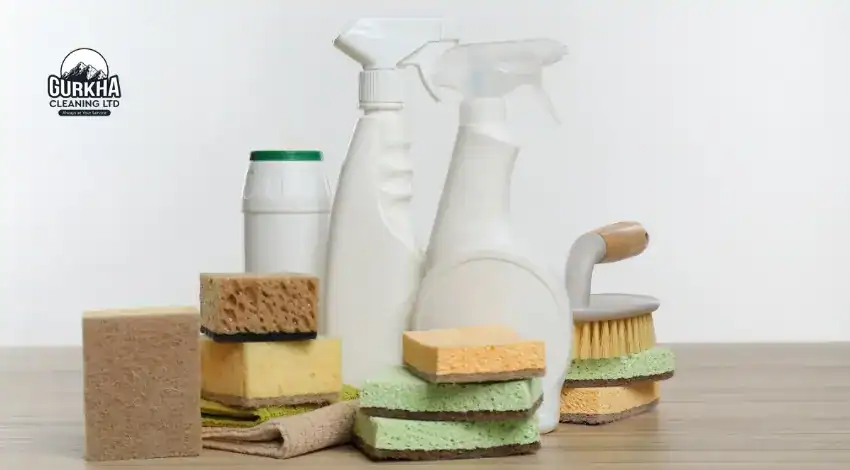
Switching to eco-friendly cleaning offers many advantages for your health and home. Here are some key benefits:
1. Health Benefits
Choosing eco-friendly cleaning makes it safer for kids, pets, and anyone with asthma or allergies by lowering their exposure to harmful chemicals. Your house will have cleaner air and fewer health issues if there are fewer irritants.
2. Environmental Benefits
Because biodegradable cleaners don’t contain dangerous chemicals, they help save soil, waterways, and wildlife. Additionally, using natural cleaning supplies reduces packaging waste from plastic. Green cleaning, for instance, has been shown in some locations to cut carbon dioxide emissions by around half.
3. Cost Benefits
Many DIY eco-friendly cleaners use household items like vinegar, baking soda and lemon, so you save money. Over time, adopting sustainable cleaning tips pays off as you discard fewer expensive synthetic products or containers.
4. Credible Environmental Statistic
According to a market report by Zion Market Research, the global eco-friendly cleaning products market was valued at around USD 31 billion in 2023 and is expected to grow to approximately USD 71 billion by 2032, with a CAGR of nearly 11%.
This shows how consumer awareness and demand for green cleaning solutions are rising.
Let professionals handle the cleaning whilst you save time and money. Discover Gurkha Cleaning‘ eco-friendly domestic cleaning services now!
Essential Ingredients & Their Uses for Eco-Friendly Cleaning
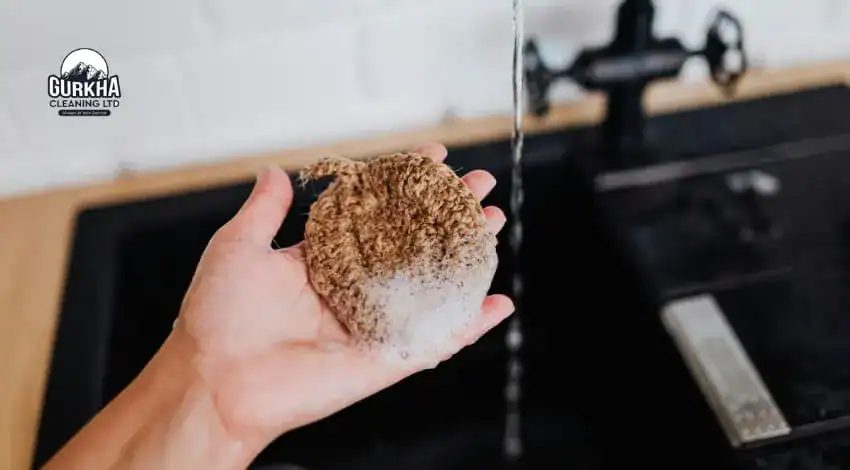
Your kitchen probably contains everything needed for professional-quality natural cleaning products. These five ingredients tackle virtually every cleaning challenge you’ll face:
- Vinegar
- Baking soda
- Lemon
- Castile soap
- Essential oils (e.g., tea tree, lavender)
White vinegar (acetic acid) breaks down mineral deposits, soap scum, and grease through its natural acidity. It’s the workhorse of green cleaning, handling 80% of household tasks. The smell dissipates quickly, leaving surfaces fresh and streak-free.
Bicarbonate of soda acts as a mild alkali. It neutralises acidic odors (think fridges and bins) whilst providing gentle scrubbing power that won’t scratch surfaces. Mix it with vinegar, and you create a fizzing reaction that lifts stubborn grime.
Lemon juice contains citric acid and natural oils. These cut through fatty residues, brighten surfaces, and leave your Winchester home smelling genuinely fresh, not artificially perfumed. The antibacterial properties are a bonus.
Castile soap comes from plant oils (usually olive or coconut). Unlike petroleum-based detergents, it’s completely biodegradable and gentle on skin. Dilute it differently for various tasks, from mopping floors to washing dishes.
Essential oils aren’t just for scent. Tea tree oil genuinely fights bacteria and mold. Lavender soothes whilst cleaning. Eucalyptus tackles greasy kitchen residues. A few drops transform cleaning from a chore into aromatherapy.
Ingredient | Best For | Key Benefit |
Vinegar (white) | Glass, surfaces, descaling, deodorising | Cuts grease, natural acid dissolves grime |
Baking soda | Scrubbing, deodorising, stain removal | Gentle abrasive, neutralises acidity |
Lemon | Brightening, fresh scent | Natural bleach alternative, antibacterial |
Castile soap | All-purpose cleaning | Plant-based soap, low synthetic additives |
Essential oils | Fragrance, natural antimicrobial | Adds scent, boosts natural cleaning power |
These are excellent tools when you want to create your own DIY eco-friendly cleaners and keep things simple, safe, and effective.
Recommend Read: DIY Cleaning Hacks for Homes in Hampshire
DIY Eco-Friendly Cleaning Solutions
Creating your own DIY eco-friendly cleaners takes minutes and costs pennies. These recipes work brilliantly for homes, whether you’re tackling hard water limescale or everyday messes.
1. All-Purpose Cleaner
- Mix 1 cup (240 ml) of water + ½ cup of vinegar + a few drops of castile soap + 10 drops essential oil.
- Pour into a spray bottle, and label it clearly.
- Use for surfaces, countertops, and general cleaning.
Cost-saving tip: Many ingredients are inexpensive and long-lasting.
Time-saving tip: Keep one bottle in the kitchen and one upstairs to avoid walking with cleaning products.
2. Bathroom Cleaner
- Sprinkle baking soda on surfaces (sink, tub).
- Spray with ½ cup vinegar + essential oil mix.
- Let fizz, scrub lightly, rinse.
Great for reducing mold and soap scum without harsh bleach.
3. Glass & Mirror Cleaner
Mix ¾ cup water + ¼ cup vinegar + 1 tsp castile soap + 5 drops essential oil. Spray and wipe with a lint-free cloth for streak-free shine.
4. Floor Cleaner
For tile/stone: use 1 gallon of warm water + ½ cup of vinegar + a few drops of essential oil. Avoid wood unless it’s sealed and safe for vinegar. This non-toxic cleaning solution works well on many surfaces.
Want spotless floors without the DIY work? Book Gurkha Cleaning’ professional, eco-friendly service in Winchester, Basingstoke, Salisbury and other areas of Hampshire.
Eco-Friendly Cleaning Tools & Techniques
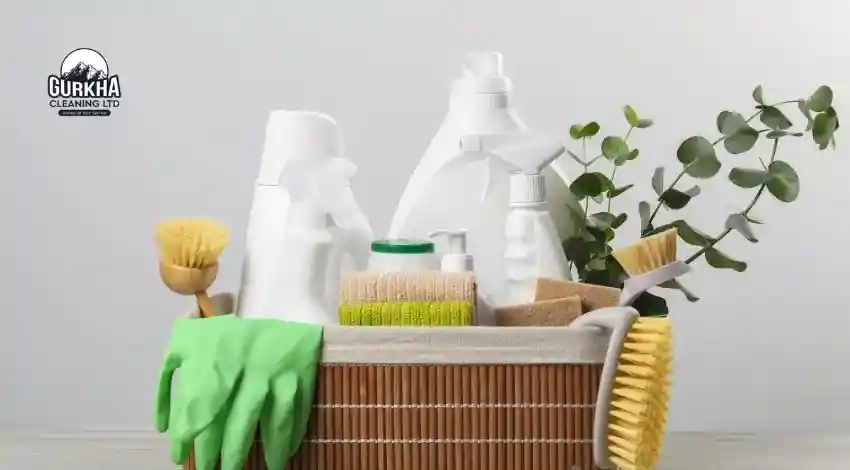
The right tools transform sustainable cleaning tips from theory into spotless reality. These eco-conscious alternatives work better than disposable options whilst protecting our environment.
- Reusable mop pads instead of disposable ones
- Microfiber cloths for effective, low-chemical cleaning
- Biodegradable brushes or compostable wipes
- Steam cleaning (when surface-safe) to avoid chemicals entirely.
- Use concentrated cleaning solutions; dilute them yourself to reduce packaging and transport impact.
These tools help embed more eco-conscious cleaning habits and reduce waste.
Sustainable Cleaning Routine & Hacks
Consistency beats intensity with eco-conscious cleaning habits. This weekly plan keeps your home spotless without overwhelming your schedule or the environment:
Weekly cleaning plan
Task | Frequency | Eco Tip |
Dust + vacuum | Once a week | Use a reusable microfiber cloth |
Kitchen surfaces cleaning | Every other day | Use DIY all-purpose cleaner |
Bathroom deep clean | Once a week | Use a baking soda and vinegar mix |
Window & mirrors | Twice a month | Use the glass cleaner recipe above |
Floor cleaning | Once a week | Use a diluted vinegar solution |
Quick eco-friendly cleaning hacks
- Use old socks on your hands as dusting mitts instead of disposable wipes.
- Repurpose glass jars for DIY cleaners; no need for new plastic bottles.
- Place a small bowl of baking soda in smelly rooms or refrigerators to absorb odors.
- Use carpet/fabric freshener: mix baking soda + a few drops of essential oil, sprinkle, wait 15 minutes, vacuum.
- Let your home air out for 10 minutes after cleaning to help volatile compounds disperse.
Common Mistakes to Avoid
Even experienced cleaners make these errors when starting their green cleaning journey:
1. Using too much product. Natural cleaners work best when used lightly. Using too much leaves residue and wastes product. A light spray and the right cloth method clean better than soaking surfaces.
2. Mixing vinegar and hydrogen peroxide together. Both are excellent cleaners, but combining them creates peracetic acid corrosive and potentially dangerous. Use separately, never mixed.
3. Expecting instant results. Natural cleaners sometimes need an extra 30 seconds to work. Be patient. The cleaning power is there; it’s just not artificially boosted by harsh solvents.
4. Using vinegar on natural stone. Marble, granite, and limestone hate acidic cleaners. The vinegar etches these surfaces permanently. Stick to Castile soap and water for stone.
5. Forgetting to maintain tools. Dirty clothes spread bacteria rather than removing them. Wash microfibre cloths weekly. Never use fabric softener; it clogs the fibres and ruins their effectiveness.
6. Giving up too quickly. Your first batch of DIY cleaner might need tweaking. Too strong? Add more water. Not cutting through grease? Add more Castile soap. Finding your perfect formula takes a cleaning session or two.
7. Not labelling containers. Six months later, you won’t remember which bottle contains what. Always label with contents and date made.
Skip the hard part, let Gurkha Cleaning bring expert eco-friendly cleaning to your home!
Final Thoughts
Eco-friendly cleaning is not just a trend; it’s a smart and effective way to keep your home clean, safe, and good for the environment. Whether you use green cleaning methods, make your own natural cleaners at home, or pick natural cleaning products, you’re making a positive choice. These simple and safe cleaning habits protect your family’s health and help the planet.
Now is the time to try easy DIY cleaners, use eco-friendly cleaning habits, and make your home healthier.
Want a sparkling, healthy home without the hassle? Gurkha Cleaning offers professional, eco-friendly cleaning services that are safe for your family and pets. Book your eco-friendly cleaning service today
Our Location
FAQs
What is eco-friendly cleaning?
Eco-friendly cleaning is a cleaning method and product that uses non-toxic, biodegradable, plant-based solutions rather than harsh synthetic chemicals.
Are DIY eco-cleaners effective?
Yes, DIY eco-cleaners are effective. If they are made and used correctly, they clean well, reduce exposure to harmful substances, and can save money.
Are eco-friendly cleaners safe for pets?
Yes, eco-friendly cleaners are safe for pets since they avoid harsh chemicals, but always check ingredients and keep pets away during application until surfaces are dry.
How to make an all-purpose green cleaner?
Mix water, vinegar, a dash of castile soap and a few drops of an essential oil to prepare an all-purpose green cleaner. Store in a labelled spray bottle and use on counters and general surfaces.
How do eco-friendly cleaners reduce environmental impact?
They avoid harmful chemicals, use biodegradable ingredients, reduce packaging waste, and lower pollutant runoff, minimising the burden on nature.
What brands offer certified eco-friendly cleaning products?
Look for certifications like EWG Verified, Ecocert, Safer Choice (by the United States Environmental Protection Agency) and labels that clearly list plant-based, biodegradable ingredients. Keep in mind: a “green” label alone may not guarantee full safety.
Can I save money using eco-friendly cleaning?
Yes. DIY solutions are low-cost, you’ll likely buy fewer specialty products, and in the long term, you’ll avoid the hidden costs of chemical exposures and waste.
How to transition from chemical cleaners safely?
You can transition from chemical cleaners safely by replacing one product at a time with a natural alternative. Also, test it, keep ventilation strong, and dispose of remaining old products safely. Monitor how surfaces respond and gradually build a full eco-routine.
Ready to Switch to Eco-Friendly Cleaning?
Make your workspace safer, healthier, and greener with Gurkha Cleaning’s environmentally responsible cleaning solutions.
Contact us today for a free eco-friendly cleaning consultation.