
Running a business keeps you busy. Cleaning probably isn’t the first thing on your mind, and that’s completely understandable. But here’s the problem: most offices think they’re clean when they’re really not.
The bins get emptied, the floors get mopped, and the desks get a quick wipe. It looks fine. But looks can be deceiving.
Small commercial cleaning mistakes using the wrong products, skipping high-touch surfaces, or rushing through common areas quietly build up over time. They affect staff health, damage surfaces, and create an environment that isn’t nearly as hygienic as it appears.
The good news? Most of these mistakes are easy to fix once you know what to look for. Here’s where most offices go wrong and how to get it right.
Why Your Office Needs Proper Commercial Cleaning?
Think about how many people touch the same door handle, keyboard, or counter every single day. It adds up fast.
A dirty office is obvious. But an office that looks clean and isn’t? That’s the real problem. Here’s why proper commercial cleaning actually matters:
- Staff health: a genuinely clean workplace means fewer sick days and a healthier team. Regular commercial cleaning boosts productivity and employee health by creating a focused, germ-free environment.
- Your reputation: clients and visitors notice. A dirty office leaves a lasting impression
- Real hygiene, not just tidiness: looking clean and being clean are two very different things
- Cleaning vs. disinfecting: one removes visible dirt, and the other kills bacteria and viruses. You need both, not just one
If you are unsure of the specific tasks your provider should be performing, you can read our detailed guide on what is commercial cleaning to understand the full scope of a professional service.
The Top Commercial Common Area Cleaning Mistakes To Avoid
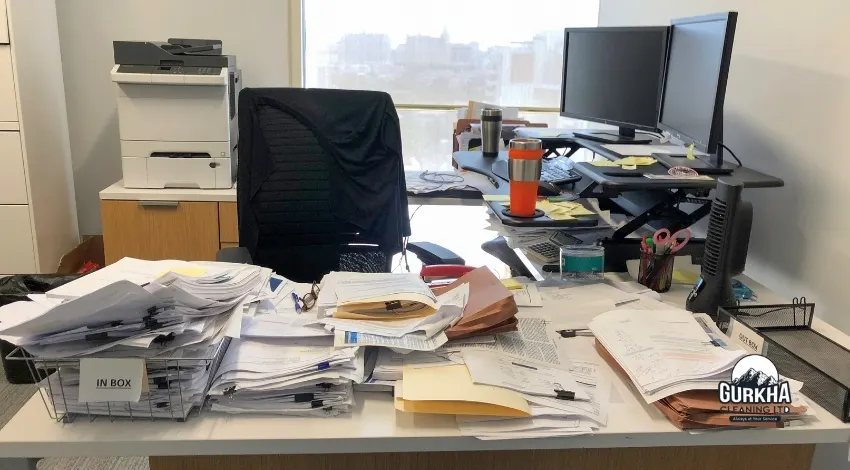
Most of these aren’t obvious. That’s exactly why they keep happening day after day in offices that genuinely think they’re on top of things. Here’s what to watch out for and how to fix it.
1. Ignoring High-Touch Surfaces Cleaning
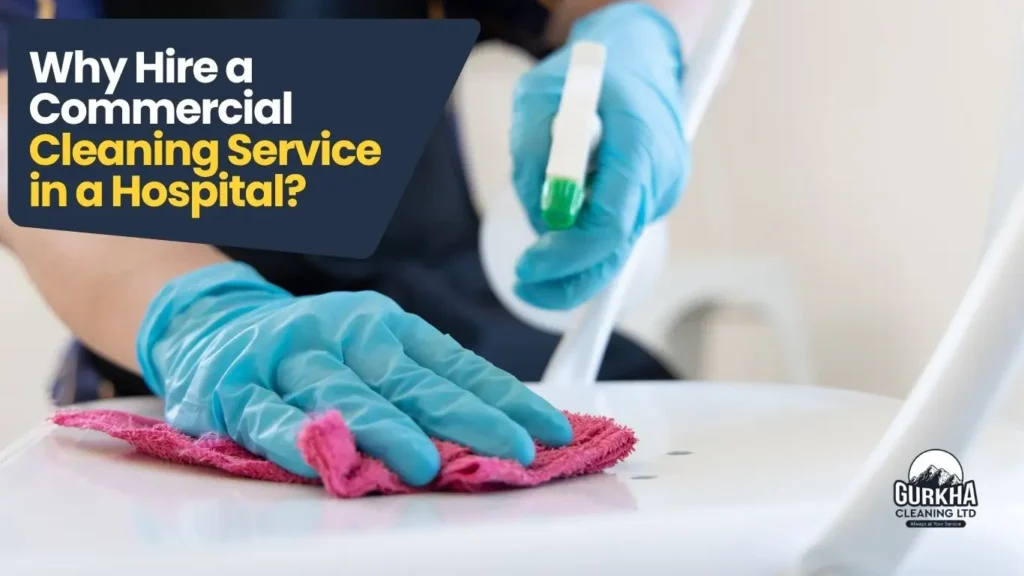
Keyboards, door handles, light switches, and elevator buttons are touched hundreds of times a day. High-touch surfaces don’t look dirty, but they spread germs quickly.
Many workplaces now use eco-friendly office cleaning methods to reduce health risks while keeping spaces safe.
What to do instead: Wipe down all high-touch surfaces with an appropriate disinfectant at least once a day. More often during busy periods.
2. Not Letting Disinfectants Do Their Job
Every disinfectant has a “dwell time”, the time it needs to sit on a surface to actually kill bacteria. Spray and wipe after 10 seconds? You’ve just moved the germs around.
This is a cleaning safety mistake that’s almost invisible. It looks like cleaning is happening. But the disinfection part isn’t.
What to do instead: Check every product label. Dwell times vary from 1 to 10 minutes. Build that into staff training.
3. Using the Wrong Products on the Wrong Surfaces
Acidic cleaners on marble will dull it. Bleach in a poorly ventilated space is a health hazard. Abrasive cloths on glass leave scratches that won’t buff out.
A lot of janitorial mistakes come down to one product for everything. It’s faster until you’re replacing surfaces ahead of schedule. This is a primary difference between domestic cleaning and commercial cleaning; while household products are versatile, business environments require industrial-strength, surface-specific chemicals.
What to do instead: Match products to surfaces. Glass, stone, and carpet each need something different. And always ventilate when using strong chemicals.
4. Only Cleaning What's Visibly Dirty

Behind monitors, under desks, on top of cabinets, in vents – these spots don’t jump out at you, so they get skipped. Over time they collect dust, grease, and bacteria that attract pests and cause mould.
This is why office cleaning is not effective in a lot of workplaces. The visible stuff gets done. Everything else quietly gets worse.
Following a structured plan like a weekly cleaning schedule helps fix this issue.
What to do instead: Add a rotating deep clean schedule. Hard-to-reach areas need weekly or monthly attention, not just when they look bad.
5. Using Dirty Cleaning Equipment
Old mops and dirty cloths don’t clean; they spread bacteria. Over time, this can lead to bigger problems. In serious cases, this may require proper stain and mold removal.
A mop that cleaned the bathroom floor shouldn’t touch the kitchen area. That’s cross-contamination, and it’s one of the most common janitorial mistakes out there.
What to do instead: Colour-code equipment by zone: red for restrooms, blue for offices, and green for kitchens. Replace mop heads and cloths on a set schedule, not just when they look worn.
Follow These Simple Business Cleaning Checklist
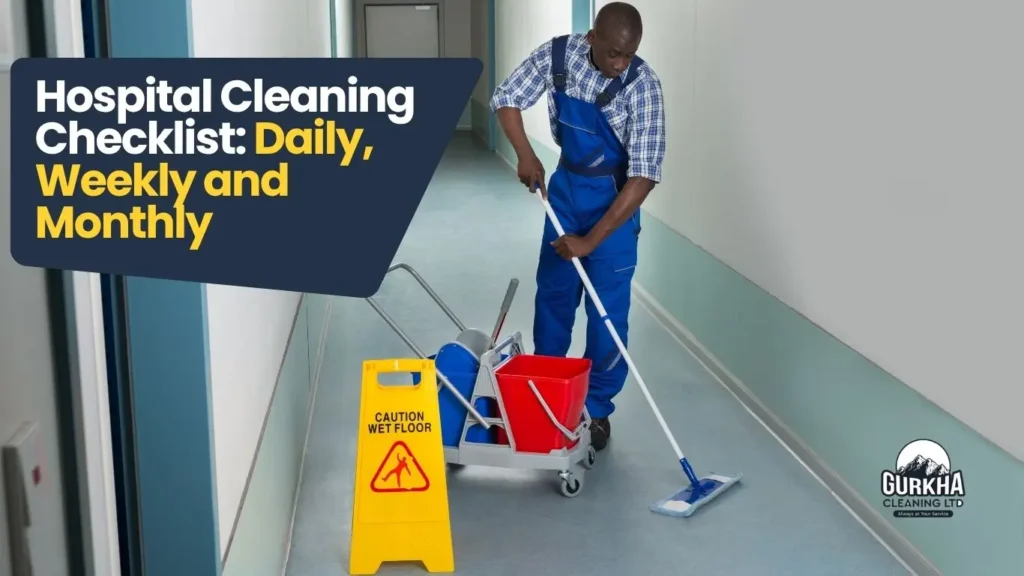
If your team doesn’t have a written checklist, that’s the first thing to fix. Here’s a basic one to start with:
Daily:
- Empty all bins
- Disinfect high-touch surfaces (door handles, keyboards, switches, phones)
- Clean and disinfect restrooms
- Wipe down kitchen counters and appliances
- Mop high-traffic floor areas
- Spot-clean spills immediately (blot, don’t scrub)
Weekly:
- Vacuum all carpeted areas
- Clean under and behind furniture
- Wipe down monitors and computer equipment
- Sanitise bins before relining
- Check and clean all cleaning equipment
Monthly:
- Deep clean kitchen appliances inside and out
- Clean vents and air ducts
- Wash windows (inside, ideally on a cloudy day)
- Inspect and replace worn cleaning supplies
- Review the checklist and update if needed
A checklist like this also makes it easier to figure out how to avoid commercial cleaning mistakes going forward because you’re tracking what’s being done and what’s being skipped.
A genuinely clean workplace doesn’t need a big budget; it needs the right system. Understanding why professional commercial cleaning is essential for your business helps you view it as an investment in your brand rather than just a chore.
How to Avoid Commercial Cleaning Mistakes Long-Term?
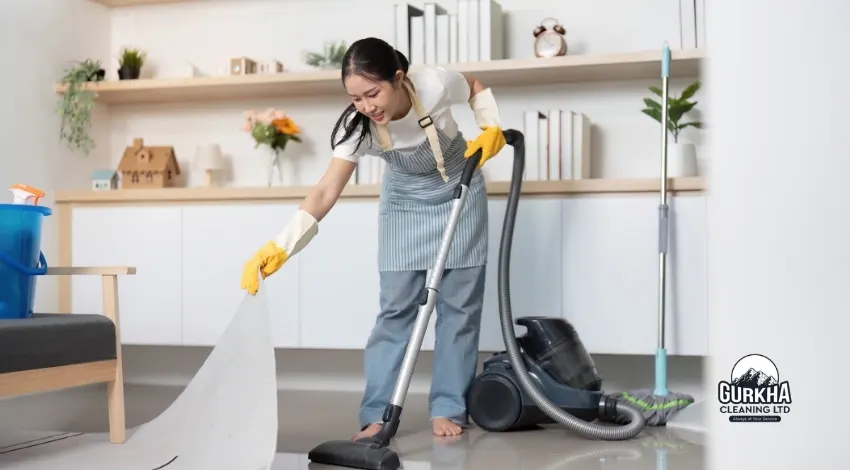
You can avoid the commercial cleaning mistakes by starting with the basics:
- Use proper products for each surface: no one-size-fits-all shortcuts
- Let disinfectants work for the full dwell time: spray, wait, then wipe
- Clean your equipment before it cleans your office: dirty tools spread germs, not remove them
- Build a real checklist: if it’s not written down, it gets skipped
- Train the people doing the work: process matters more than effort alone
Beyond just avoiding errors, there are many benefits of commercial cleaning for businesses that contribute to long-term success and asset protection.
If you’re managing an in-house team, do a walkthrough every couple of months after a clean. Check the spots that usually get missed behind monitors, on top of cabinets, and in restroom corners. It’s not micromanaging. It’s just making sure the effort is actually working.
Using a commercial cleaning company? Don’t assume everything’s being done right just because someone showed up. Ask what products they use. Ask why. Ask how they handle high-touch surfaces and dwell times. A good provider won’t mind the questions; they’ll welcome them.
Choosing a reliable commercial cleaning service ensures proper systems, trained staff, and consistent results without the usual mistakes.
Choose Gurkha Cleaning Ltd to Avoid Commercial Cleaning Mistakes
Avoiding commercial cleaning mistakes is one thing. Having a team that genuinely doesn’t make them is another.
At Gurkha Cleaning Ltd, every clean follows a proper system with the right products, correct dwell times, colour-coded equipment, and a checklist that actually gets followed.
Here’s what you get:
- Trained staff who know the difference between cleaning and disinfecting
- Zone-based protocols to prevent cross-contamination
- High-touch disinfection built into every visit
- Flexible scheduling that works around your business hours
- Full transparency: ask us anything about our process
We work with businesses across Hampshire covering nearby areas like Winchester, Andover, Basingstoke, Southampton and other to deliver cleaning that’s actually effective, not just cleaning that looks like it happened.
Not sure your current setup is working? We’re happy to do a free walkthrough and tell you exactly what we’d do differently.
We work with businesses across Hampshire to deliver cleaning that’s actually effective. If you’re budgeting for a change in your current routine, you might want to see our breakdown on how much does commercial cleaning cost for different office sizes.
Final Thoughts
Honestly, most commercial cleaning mistakes aren’t about negligence. People are trying. Teams are putting in the time. But effort without the right system just doesn’t produce a genuinely clean, safe workplace.
The things that really move the needle – dwell times, cross-contamination prevention, high-touch disinfection, and proper equipment – are all pretty straightforward once you know about them. They just rarely get talked about in plain terms.
If you take one thing from this, a clean-looking office and a hygienically clean office are not the same thing. Closing that gap doesn’t take a huge budget or a total overhaul.
Small improvements like seasonal cleaning routines can make a noticeable difference over time. It takes a better checklist, a bit of training, and some attention to the details that usually get skipped.
A genuinely clean workplace doesn’t need a big budget. It needs the right system. Let Gurkha Cleaning Ltd build one for you. Contact us today.”
FAQs
What are the most common commercial cleaning mistakes businesses make?
The common commercial cleaning mistakes business make are ignoring high-touch surfaces, skipping dwell times, using dirty equipment, and only cleaning what looks dirty.
Why is office cleaning not effective even when a cleaning crew comes daily?
Office cleaning is not effective because cleaning and disinfecting are different. Without correct dwell times and high-touch routines, it’s only half the job.
What is dwell time and why does it matter?
Dwell time is how long a disinfectant needs to sit to kill bacteria. Wipe too soon and you’re just moving germs around.
What are the most common janitorial mistakes to watch out for?
The most common janitoril mistakes to watch out for are using the same equipment across zones, skipping hard-to-reach areas, and rushing through the job.
What cleaning products should not be used on certain surfaces?
Acidic cleaners on marble, abrasive cloths on glass, and bleach in poorly ventilated spaces. Always match product to surface.
What professional cleaning tips actually make a difference?
Professional cleaninng tips like work top to bottom, blot spills but never scrub, ventilate during cleaning, and colour-code equipment by zone makes a difference.
What should a business cleaning checklist include?
Business cleaning checklist includes daily bins, surfaces, restrooms, floors. Weekly vacuuming and equipment checks. Monthly deep cleans and vents.
How do I avoid commercial cleaning mistakes going forward?
You can avoid commercial cleaning mistakes by written checklist, proper training, and regular walkthroughs. Consistency beats an occasional perfect clean.