Most workplaces look clean. But looking clean and actually being clean are two very different things.
Door handles get touched hundreds of times a day. Keyboards rarely get wiped. Printer buttons, lift buttons, and shared phones are all used constantly and all forgotten during the morning clean. That’s where germs spread. That’s where illness starts.
Poor workplace hygiene doesn’t just affect health. It affects productivity, staff morale, client impressions, and your legal responsibilities around workplace safety.
The good news is that keeping a clean, hygienic workplace doesn’t have to be complicated. It just needs to be consistent.
This guide covers practical commercial hygiene tips that actually work whether you run a small office, a retail store, or a large commercial facility.
Quick Overview:
| Office Zone | High-Touch Focal Points | Target Cleaning Frequency | Recommended Method |
|---|---|---|---|
| Individual Workstations | Keyboards, computer mice, desk surfaces, phones | Daily (at shift changes) | 70% Isopropyl alcohol wipes & microfiber cloths |
| Office Kitchen & Breakroom | Fridge/freezer handles, microwave/oven doors, taps, kettles | Frequently as you go throughout the day | Food-safe, BS EN 1276-compliant sanitiser |
| Communal Washrooms | Flush buttons, cubicle door locks, soap levers, tap handles | Twice daily (minimum) | Virucidal disinfectant & colour-coded cleaning cloths |
| Reception & Lobbies | Main entrance handles, lift buttons, sign-in touchscreens | Hourly during peak traffic | Broad-spectrum disinfectant surface sweep |
What Is Commercial Hygiene?
Commercial hygiene refers to the practices used to keep business environments clean, safe, and free from germs, bacteria, and contamination.
It goes beyond basic tidying. It covers:
- Regular cleaning and disinfection of surfaces
- Proper waste management
- Air quality control
- Staff hygiene protocols
- Sanitation of washrooms, kitchens, and shared spaces
Basically, it’s everything that stops illness from spreading through your workplace and keeps the environment safe for employees, customers, and visitors.
It’s not just about appearances. It’s about creating a space where people can work without worrying about picking up something nasty from the desk next to them.
Looking for a trusted commercial cleaning company to keep your workspace spotless and professional?
Book your commercial cleaning service today with Gurkha Cleaning Ltd.
Why Is Commercial Hygiene Important for Businesses?
Commercial hygiene is important for businesses because poor hygiene in the workplace costs money.
When employees get sick, they take time off. Productivity drops. Morale dips. And if a client or customer walks into a visibly unclean space, that first impression is very hard to recover from.
Here’s why it matters:
- Reduces absenteeism: Clean workplaces see fewer sick days, plain and simple
- Improves staff morale: People work better when their environment feels cared for
- Builds a professional image: Cleanliness signals that you take your business seriously
- Meets legal requirements: Workplace hygiene and safety standards are regulated in most industries
- Prevents cross-contamination: Especially important in food-related or healthcare-adjacent businesses
Workplace hygiene and safety go hand in hand. You can’t have one without the other.
8 Commercial Hygiene Tips You Must Follow
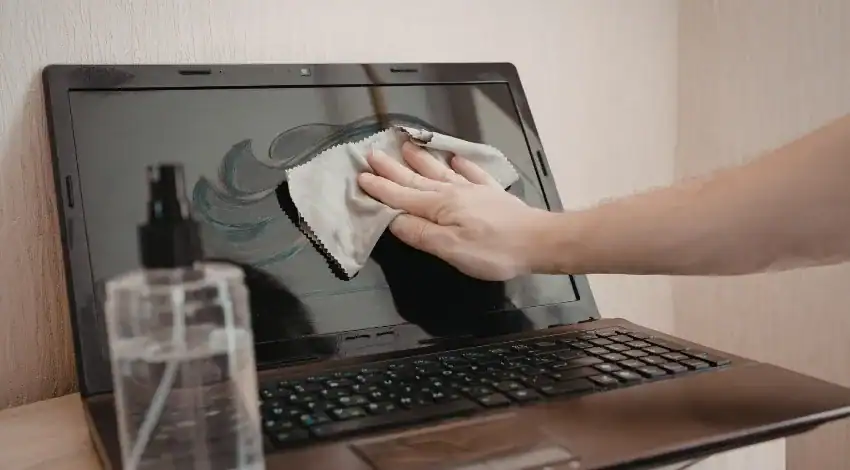
The 8 commercial hygiene tips you must follow are creating a cleaning schedule, disinfecting high-touch surfaces, using the right products, colour-coding cleaning tools, maintaining staff hygiene, keeping washrooms clean, managing waste properly, and improving air quality.
1. Create a Daily, Weekly, and Monthly Cleaning Schedule
Most businesses only clean when things look dirty. That’s the problem. A structured schedule changes everything.
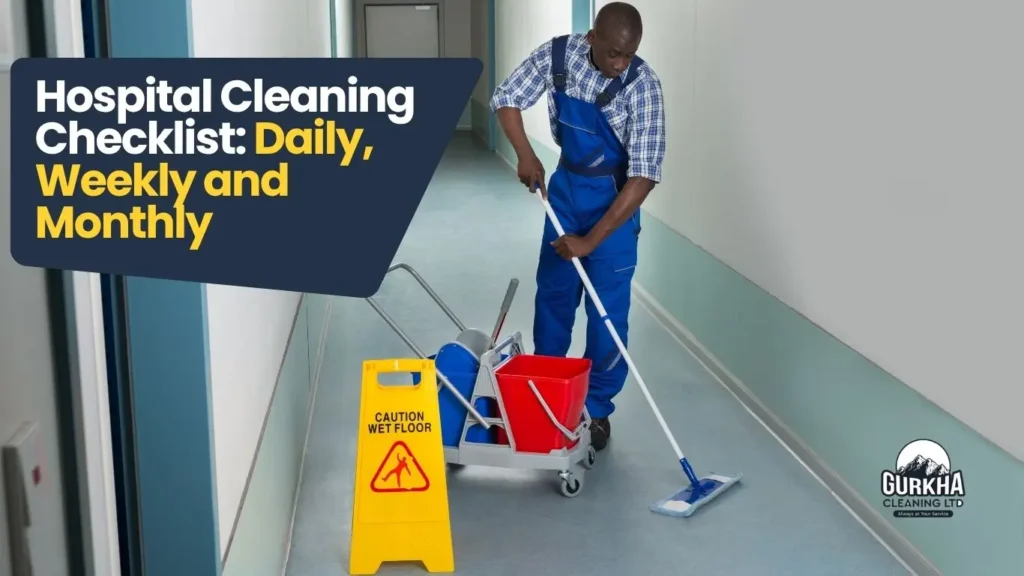
Daily tasks cover desks, washrooms, bins, high-touch surfaces, and entrance areas. Weekly, go deeper into kitchens, floors, windows, and shared equipment. Monthly, tackle air filters, HVAC vents, bin inspections, and carpets.
A consistent daily office cleaning routine removes the guesswork, and following a weekly cleaning schedule makes it even easier to stay on track. Everyone knows what needs doing and when.
2. Focus on High-Touch Surfaces
This is the one most workplaces get wrong.
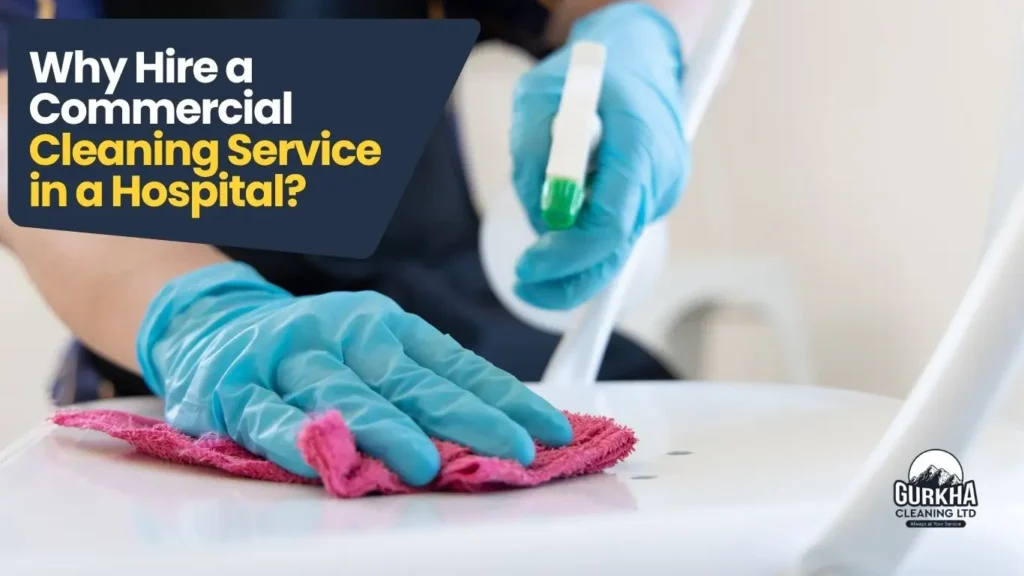
Door handles, light switches, keyboards, phone handsets, lift buttons, printer panels, kitchen appliances – dozens of hands touch these every day without anyone thinking twice. Germs spread fastest here. One infected person can expose your whole team by afternoon.
Disinfect these areas at least twice daily, as ignoring them is one of the most common commercial cleaning mistakes businesses make.
3. Use the Right Cleaning Products
There’s a real difference between making a surface look clean and actually killing pathogens.
General cleaning removes dirt and grime. Disinfecting kills bacteria and viruses. You need to clean both first, then disinfect. Following commercial cleaning best practices also means choosing safer options, such as eco-friendly office cleaning methods, that protect both people and surfaces. Never mix chemicals, and always follow dilution instructions.
Microfibre cloths are worth it too; they trap more bacteria and can be reused.
4. Use Color-Coded Cleaning Tools
Simple idea. Massive impact.
Assign a colour to each area: red for toilets, yellow for washroom surfaces, blue for office areas, and green for kitchens. Using the same cloth in the toilet and then the kitchen is a hygiene disaster. Colour-coding makes mix-ups impossible, even during a rushed clean.
This is a basic workplace cleanliness standard every commercial space should have in place.
5. Maintain Staff Hygiene Practices
Your cleaning schedule means nothing if staff aren’t following basic personal hygiene.
Handwashing is the foundation: soap, 20 seconds, after the toilet, before eating, and after touching shared equipment. Install soap dispensers and hand sanitiser stations in key spots, display clear reminders, and keep workspaces tidy.
Business hygiene practices only stick when they’re part of the culture, and it’s proven that regular commercial cleaning improves productivity and employee health. Brief your team, explain why it matters, and include it in staff onboarding.
6. Keep Washrooms and Common Areas Clean
Washrooms are where hygiene impressions are made fast. A dirty toilet tells a client or new employee everything they need to know.
Disinfect washroom surfaces daily, restock soap and sanitiser every morning, empty sanitary bins regularly, and keep floors dry. In kitchens, wipe surfaces after each use, clean microwaves daily, and replace dishcloths often; they’re major germ hotspots.
These office sanitation tips get skipped in busy workplaces, but simple office maintenance tips can help you stay consistent every day.
7. Manage Waste Properly
Overflowing bins, food left on desks, and unseparated recycling are all hygiene risks.
Empty bins daily, use lidded bins in kitchens and washrooms, label recycling clearly, and keep outdoor bin areas clean and away from entrances. Dispose of hazardous waste correctly if your industry requires it.
One persistent smell can undo everything else, and commercial cleaning costs often increase when these basics are ignored. It’s a non-negotiable part of any workplace cleaning checklist.
8. Improve Air Quality and Ventilation
Less visible than a dirty surface but just as important.
Poorly maintained HVAC systems circulate dust, mould spores, and airborne pathogens through your entire building. Replace air filters every 1–3 months, keep vents clear, open windows when possible, and use air purifiers in enclosed spaces. Watch humidity levels too – too much encourages mould; too little irritates airways.
Workplace hygiene and safety aren’t just about what you touch. It’s also about what you breathe.
Workplace-Specific Hygiene Tips
Workplace-specific hygiene tips vary by environment: offices need desk and shared equipment protocols, retail spaces need high-footfall cleaning routines, and kitchen areas need strict food safety practices.
Office Hygiene Tips
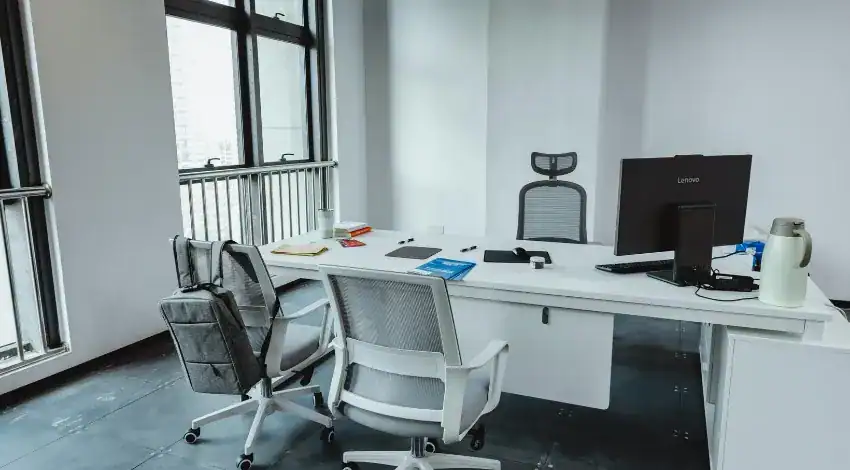
Office hygiene starts with treating every desk like a shared space because in most modern workplaces, it is.
Clean desks at the start and end of each shift; provide disinfectant wipes at every workstation, and sanitise shared items like headsets, keyboards, and mice between users. Reduce clutter to make cleaning quicker and more thorough. For hot desks, post a simple wipe-down reminder card at each station; it takes seconds and makes a real difference.
These office cleaning tips are easy to implement and even easier to skip, especially if you don’t fully understand what commercial cleaning includes.
Retail Hygiene Tips
Retail spaces see high footfall and constant public interaction, which means hygiene risks are higher and more frequent.
Sweep and mop entrance areas at least twice daily, clean checkout counters and payment terminals after every shift, and keep shop floors clear of debris and spillages. Check changing rooms regularly throughout the day and dust shelves and display units often. Build-up looks poor and can trigger allergies in customers and staff.
Kitchen and Dining Area Hygiene
If food is being prepared or consumed on your premises, hygiene standards need to be especially rigorous.
Follow the 4 Cs: Cleaning, Cooking, Chilling, and avoiding Cross-contamination. Use colour-coded cutting boards: red for raw meat, green for produce, yellow for cooked meat, blue for raw fish, and white for dairy and bakery. Clean and disinfect food prep surfaces before and after each use, store raw and ready-to-eat foods separately, and replace dishcloths daily or switch to disposable alternatives.
In food environments, shortcuts in hygiene aren’t just bad practice; they’re a health and safety risk.
Not sure which products or methods are right for your workplace? Let Gurkha Cleaning Ltd handle it properly while you focus on running your business.
Simple Workplace Cleaning Checklist
A simple workplace cleaning checklist covers daily tasks like wiping desks and sanitising high-touch surfaces, weekly tasks like deep cleaning kitchens and mopping floors, and monthly tasks like servicing air filters and restocking hygiene supplies.
Use this as a quick reference for your team. Print it out, laminate it, and stick it up somewhere visible.
Daily:
- Wipe down all desks and workstations
- Sanitize high-touch surfaces (door handles, switches, keyboards)
- Clean and restock washrooms
- Empty all bins
- Sweep or vacuum entrance areas
- Wipe down kitchen surfaces and appliances
Weekly:
- Deep clean kitchen and dining areas
- Mop all hard floors
- Sanitize shared equipment
- Clean windows and glass panels
Monthly:
- Service air filters and HVAC vents
- Deep clean carpets or upholstery
- Inspect bins and cleaning equipment
- Review and restock all hygiene supplies
This workplace cleaning checklist keeps things consistent even when your regular cleaning staff is off.
Avoid Common Mistakes in Workplace Hygiene
Most workplace hygiene problems don’t come from laziness; they come from gaps that are easy to miss. Here are the most common mistakes and how to avoid them.
- Ignoring high-touch surfaces: Cleaning desks but forgetting door handles is a very common gap.
- No staff training: Handing someone a mop and telling them to get on with it isn’t enough. People need to understand why specific protocols exist.
- Using the same cloth for everything: Without a colour-coding system, cross-contamination is almost inevitable.
- Inconsistent schedules: Cleaning only when things look dirty means you’re always playing catch-up.
- Poor ventilation: Keeping windows shut and never servicing air systems creates a buildup of airborne particles over time.
- Low-quality cleaning products: Budget products might clean the surface. They might not actually disinfect it.
When Should You Hire Professional Cleaning Services?

You should hire professional cleaning services when your in-house cleaning can no longer keep up with the demands of your workplace. Here are the key signs it’s time to call in the experts.
- Your workspace is large or multi-floor
- You need deep cleaning beyond regular maintenance
- Your industry has specialized hygiene requirements (healthcare, food service, childcare)
- You’ve had a pest issue, flood, or similar incident
- You want to establish a consistent commercial cleaning best practices standard from day one
- Your current cleaning arrangements aren’t keeping up with demand
Professional cleaners bring industrial-grade equipment, trained staff, and experience, which is why many businesses rely on professional commercial cleaning services. For many businesses, it’s simply the most reliable way to maintain consistent hygiene.
Choose Gurkha Cleaning Ltd for Commercial Hygiene Services in Hampshire
If you’re looking for a professional cleaning partner that actually gets it right, Gurkha Cleaning Ltd is worth a conversation.
Here’s what sets us apart:
- Reliable and professional: Consistent quality you can count on, not just a good first impression
- Tailored cleaning plans: No one-size-fits-all approach. We work around your business needs, layout, and schedule
- Eco-friendly products: Safe for your staff, safe for the environment, and effective against pathogens
- Trained and fully insured staff: You know exactly who’s coming in and that we’re properly qualified
- Flexible scheduling: Daily, weekly, or custom arrangements depending on your requirements
- Focus on quality and consistency: Not just clean for the inspection. Clean every day.
Whether you’re managing a small office or a large commercial site, Gurkha Cleaning Ltd can help you stay on top of your hygiene standards without the hassle.
Looking for trusted cleaners in Winchester, cleaners in Salisbury, cleaners in Petersfield, cleaners in Southampton, cleaners in Basingstoke and Hampshire areas? Gurkha Cleaning Ltd provides reliable domestic and commercial cleaning services across all these locations. Contact us today for a free, no-obligation quote.
Final Thoughts
Workplace hygiene isn’t really about perfection. It’s about consistency.
You don’t need a spotless showroom every single day. You just need reliable routines, the right products, a trained team, and enough structure so that nothing important gets missed.
Start with the basics: a cleaning schedule, a workplace cleaning checklist, colour-coded tools, and regular attention to high-touch surfaces. Build from there.
The workplaces that get hygiene right aren’t doing anything magical. They’ve just made it a habit.
Ready to improve your workplace hygiene? Contact us today and let’s build a simple, effective cleaning routine that keeps your workplace clean, safe, and professional.
FAQs for Essential Workplace Sanitisation Rules
What are commercial hygiene tips?
Commercial hygiene tips are practical actions businesses take to keep workplaces clean, safe, and free from harmful bacteria and germs. They cover daily cleaning schedules, waste management, and staff handwashing protocols.
Why is hygiene in the workplace important for businesses?
Workplace hygiene is vital because it reduces employee sick days, prevents the spread of germs, boosts staff productivity, ensures health and safety compliance, and maintains a professional brand image.
Which of the following must you sanitise in your office spaces?
You must sanitise all high-touch focal points. This includes door handles, light switches, communal keyboards, computer mice, printer screens, elevator buttons, kettle handles, and tap levers.
How often should taps, fridge/freezer/microwave/oven door handles etc. be cleaned?
Taps and appliance door handles should be wiped down frequently as you go throughout the day, followed by a thorough sanitisation sweep at the end of every shift to prevent cross-contamination.
How can businesses improve workplace hygiene and safety?
Businesses can improve workplace hygiene and safety by creating a cleaning schedule, training staff, and using colour-coded cleaning tools. Managing waste properly and maintaining good ventilation also make a big difference.
When should companies hire professional cleaning services?
Companies should hire professionals when spaces are large, specialised, or beyond what an in-house team can handle. It’s the most reliable way to maintain consistent hygiene standards long-term.
What are the best hygiene practices for a 24/7 shift-based workforce?
Implement a mandatory shift-change hygiene routine where outgoing workers have a 10-minute buffer to sanitise shared desks, machinery, tools, and vehicle controls before the next shift starts.
What should be included in a daily office cleaning routine?
A daily office cleaning routine must include sanitising workstations, disinfecting communal kitchen surfaces, deep cleaning washrooms, emptying waste bins, and vacuuming or mopping all floors.